Panel: Army Contracting Seeks Speed, Agility
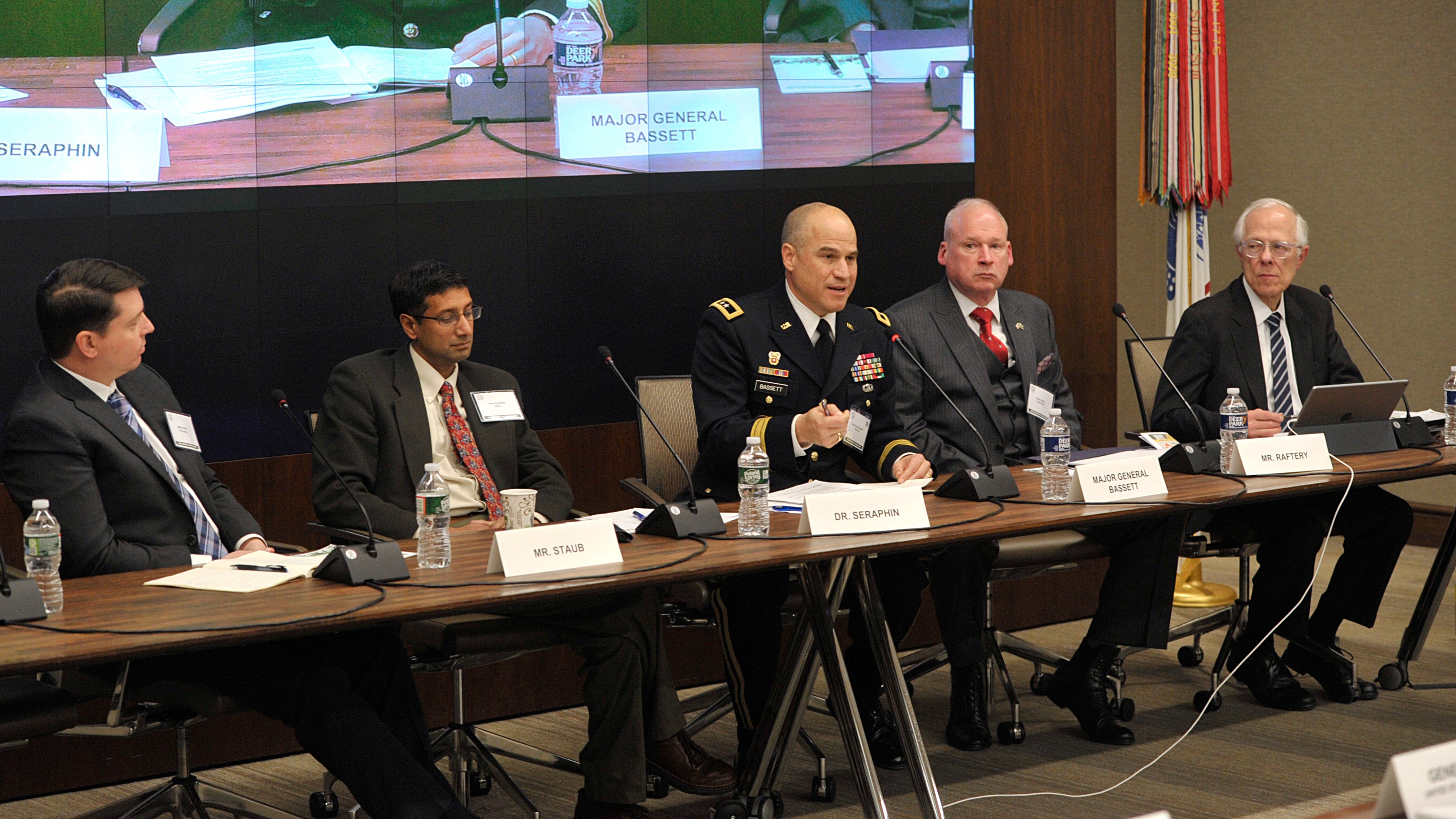
The Army is transforming its resourcing and requirements to meet its contracting goals, a panel of experts said.
Armed with clear, urgent directives from senior leaders, the Army’s contracting professionals are moving to streamline and accelerate how they get soldiers what they need for the fight, the commanding general of U.S. Army Contracting Command said.
“This isn’t just about some simple efficiency. It’s about being responsible stewards of our taxpayer dollars, providing unwavering support to our warfighters and aggressively driving modernization for the future fight,” Maj. Gen. Douglas Lowrey said.
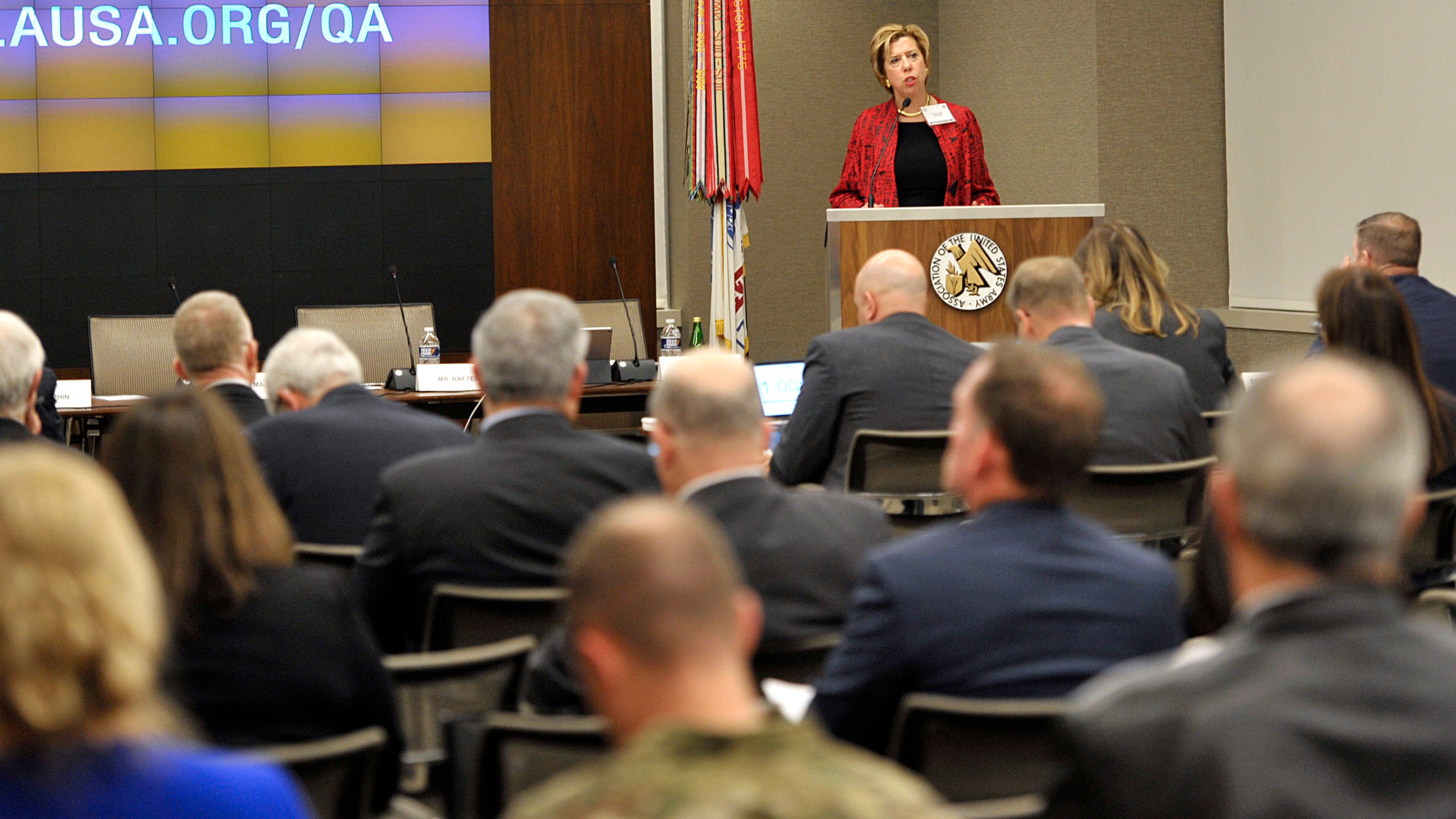
The Army talks a lot about speeding up the acquisitions process, but Army Contracting Command has a new, concrete goal: No more than six months to award a contract, executive director Danielle Moyer said Oct. 16 at the Association of the U.S. Army's Annual Meeting and Exposition.
The days when it took two years to make an award decision are over, she said.
The military is working to minimize the impact of the ongoing COVID-19 crisis on the companies that provide critical equipment, products and services to support the warfighter, senior officials said.

In the complex world of government contracting, it is important to ensure that all processes and practices meet standards for transpar
The Army’s recent policy change for intellectual property management aims to find a “balanced approach” for accessing new processes without stifling industry innovation.
“In a nutshell, the policy will provide the workforce the tools to better navigate this complex IP landscape, and it will make us more sophisticated customers and users of IP,” said Alexis Lasselle Ross, deputy assistant secretary of the Army for strategy and acquisition reform.
The Army’s efforts to modernize its industrial manufacturing processes with advanced technology will allow the creation of “things we never could have envisioned,” a senior leader said, cautioning that digital engineering properties created as part of the process would be vulnerable to theft or hacking.
The U.S. military must do more to protect its intellectual property and trade secrets as it moves into an era of great-power competition against countries such as China and Russia, the Pentagon’s top acquisition official said.
“We must pivot to really understand what it takes to go up against China and Russia and prevail and win,” said Ellen Lord, undersecretary of defense for acquisition and sustainment. “Our adversaries pose a threat not only to our technological advantage but our economic advantage, and economic security is national security.”
The Army’s current and former acquisition chiefs were the keynote speakers at an Association of the U.S. Army event focused on improving government contracting.
Bruce D. Jette, the current assistant secretary for acquisition, logistics and technology, said his objective is “to try to get things done faster and better.” Doing that means, in part, having “a more coherent relationship between the Army side and the industry side.”
April 26, 2017
The Army’s top contracting official is concentrating on two goals: getting new weapons and equipment more quickly into the hands of soldiers, and having a more open and transparent contracting process.
The two goals are linked, said Maj. Gen. James E. Simpson, Army Contracting Command commanding general, because improving the contracting process is a key part of faster delivery to the field.