Special Training: Army Prepares Next Generation of Elite Warriors
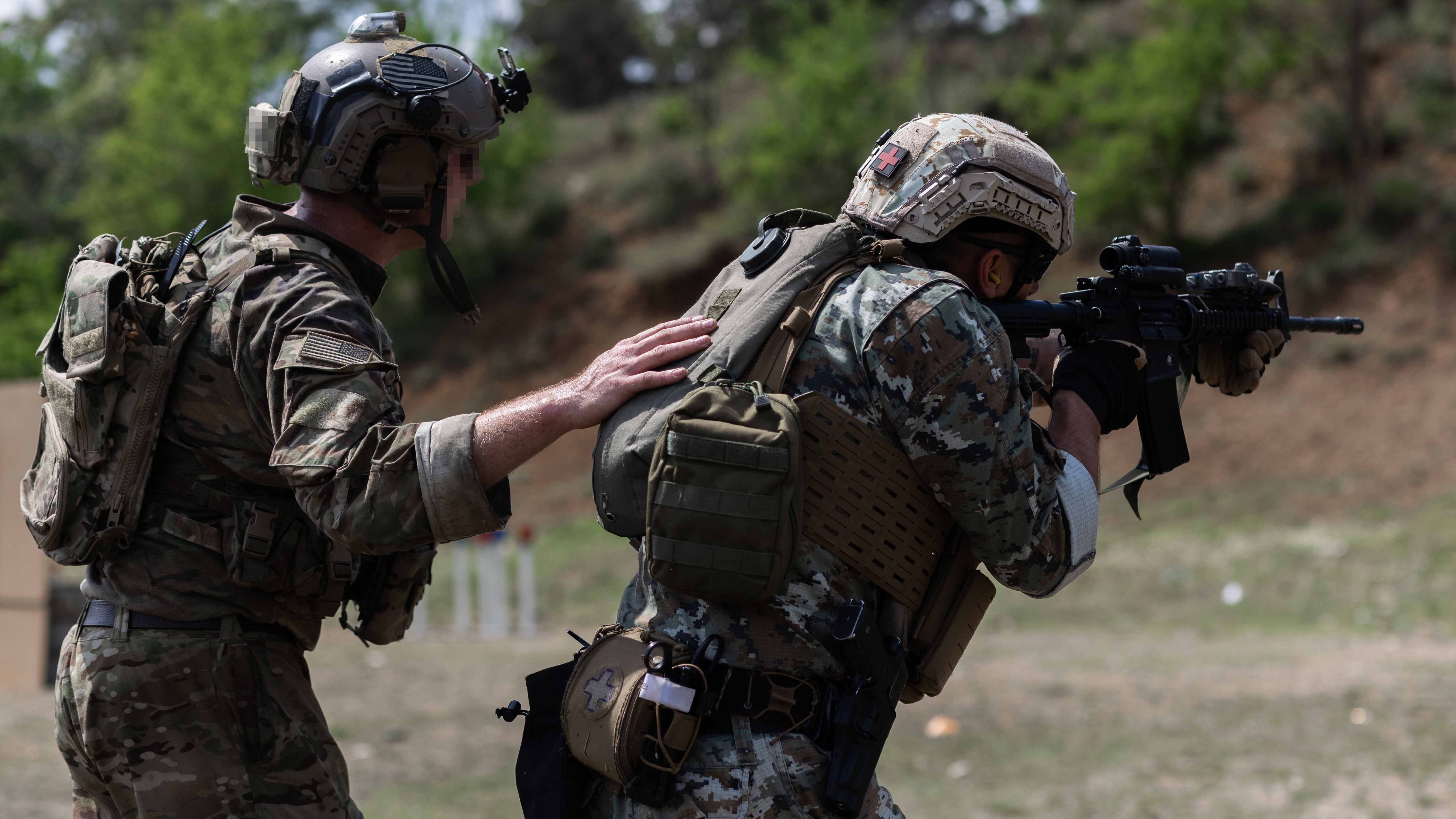
The rigorous process of recruiting, preparing and producing Special Forces soldiers has entered an era of continuous transformation foc
Army special operations forces are transforming for the future by increasing multidomain capabilities, growing asymmetric lethality and expanding the ability to compete and win in the information space, senior special operations leaders said.
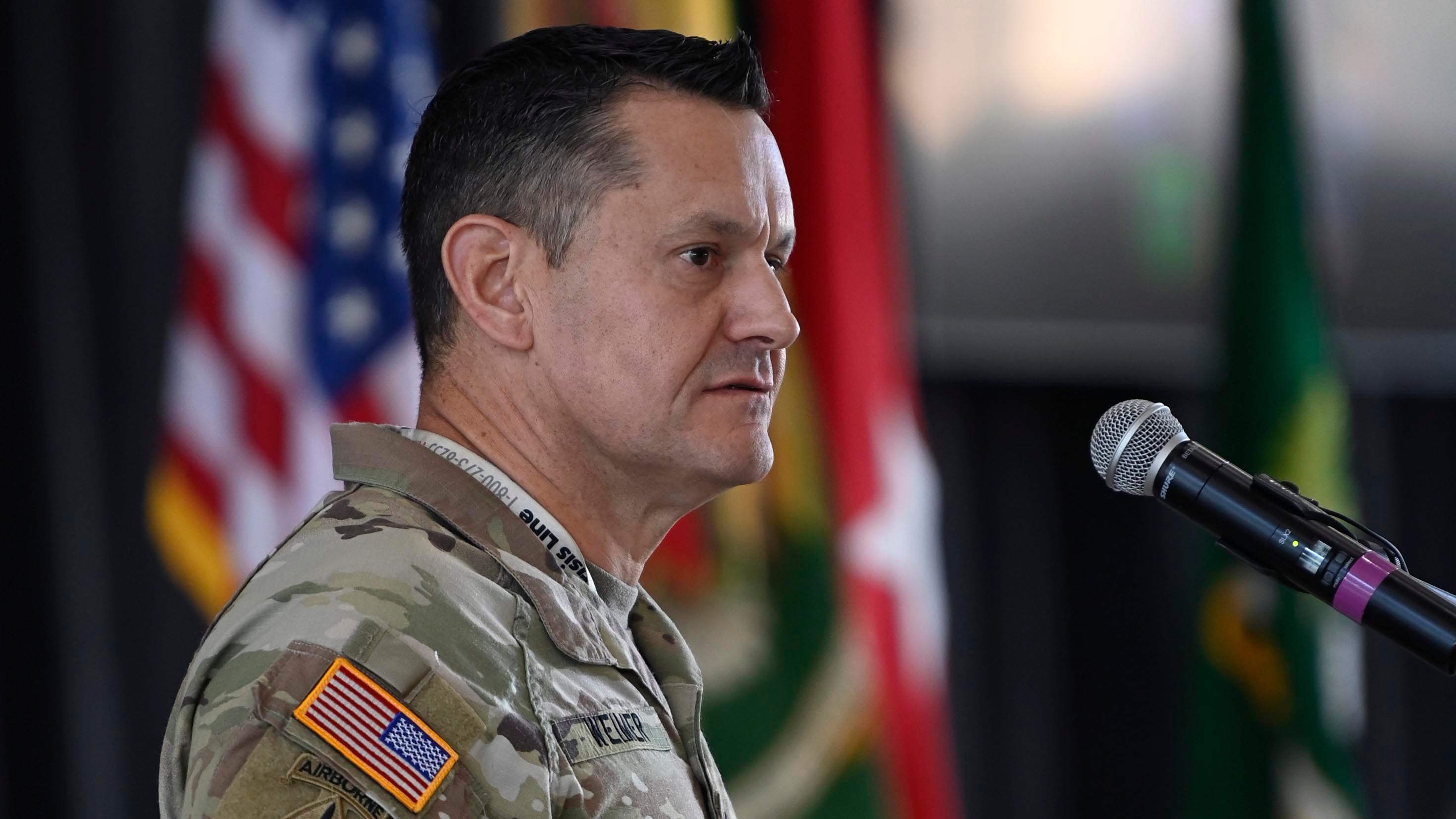
The ability to take risks in combat starts with building trust at home station, according to the 75th Ranger Regiment’s command team, who addressed a session on leadership at the Association of the U.S. Army’s 2025 Annual Meeting and Exposition in Washington, D.C.
The services need to collect and analyze more comprehensive data on special operations troops to support their transition to civilian life, according to a report from the Government Accountability Office.
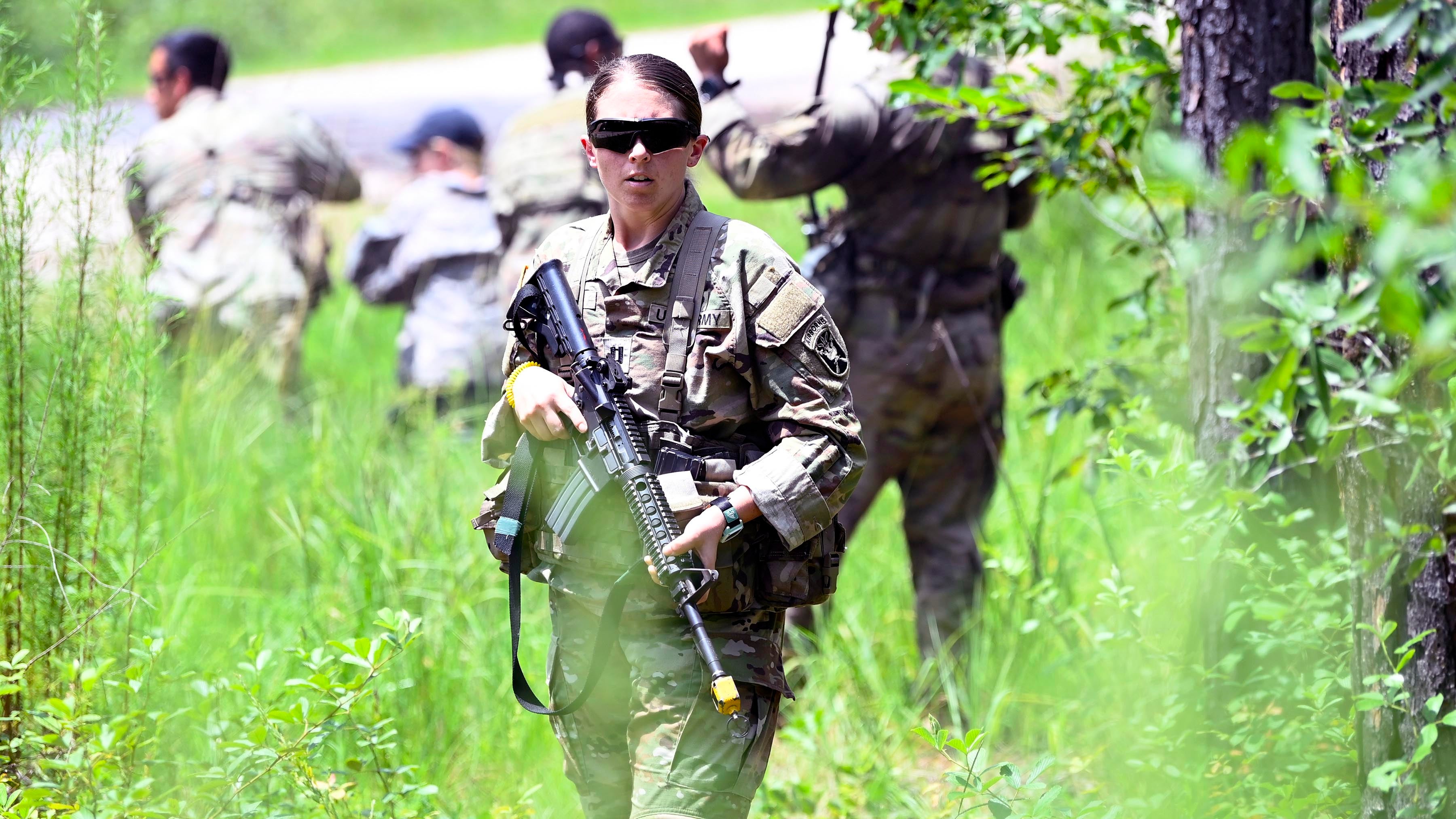
With a new focus on functional combat fitness training, the U.S. Army Infantry School has modified the physical fitness assessment for students attending the Ranger Course.
Formally known as the Ranger Physical Fitness Assessment, the assessment will still require students to perform a 5-mile run and six chin-ups, but it no longer includes situps and pushups, according to a Maneuver Center of Excellence news release.
The recruiting program that enlists civilians to become Green Beret candidates “is critical to Special Forces,” the commander of U.S. Army Special Operations Command said.
Known by the MOS 18X, the Special Forces candidate program enlists young people to help build the force rather than recruiting only from within the ranks, Lt. Gen. Jonathan Braga said. Soldiers who joined the Army through the 18X program and made it through the long and arduous path to become Green Berets, he said, “make up over 50% of the force.”
Assessment and selection for special operations soldiers has lagged the past two years as the Army struggled to meet its recruiting numbers, said Gen. Bryan Fenton, commanding general of U.S. Special Operations Command.
Still, he expressed optimism that the Army’s effort to overcome the national military recruiting challenge bodes well for special operations.
A “convergence” of adversaries is threatening global security, a development made more complex by the proliferation of battlefield technology and commercial disruptions, a senior Army officer said.
Gen. Bryan Fenton, commanding general of U.S. Special Operations Command, said he sees the security environment through three lenses, the first of which is the volatile alliance formed among the adversaries of the United States and its allies.
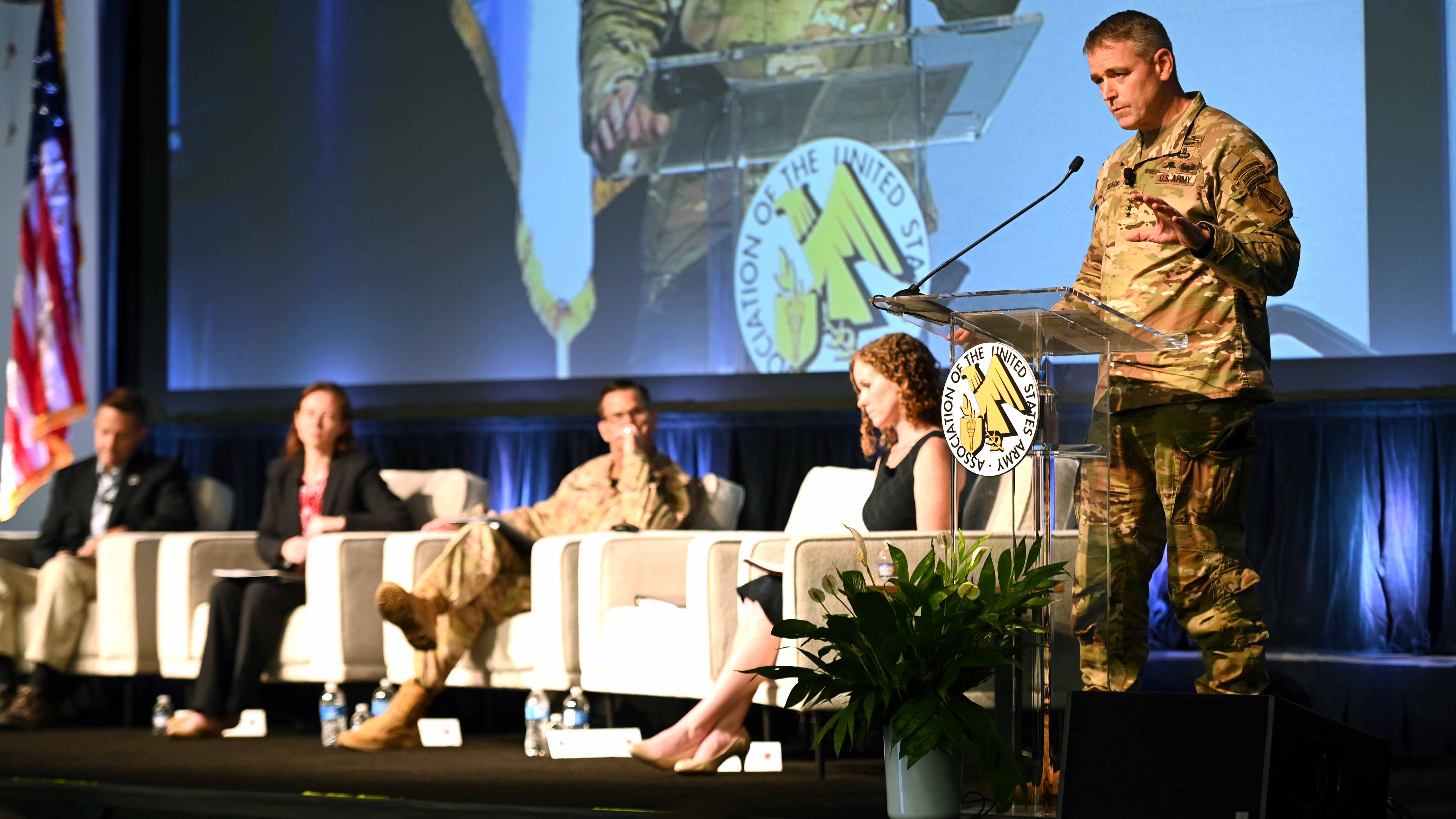
The side that adapts and innovates first will win the next war, said Lt. Gen. Jonathan Braga, commander of Army Special Operations Command.

The key to achieving that is adopting a collective mindset, he said.
After a commandwide survey found widespread gender bias and sexual harassment, Army Special Operations Command is working on dozens of initiatives to better care for the women serving in its formations.
“Humans are more important than hardware, and anything that makes the individual [special operations] operator better … that’s our solemn responsibility,” said Lt. Gen. Jonathan Braga, commander of Army Special Operations Command.